By Deborah Akur Chol, South Sudan
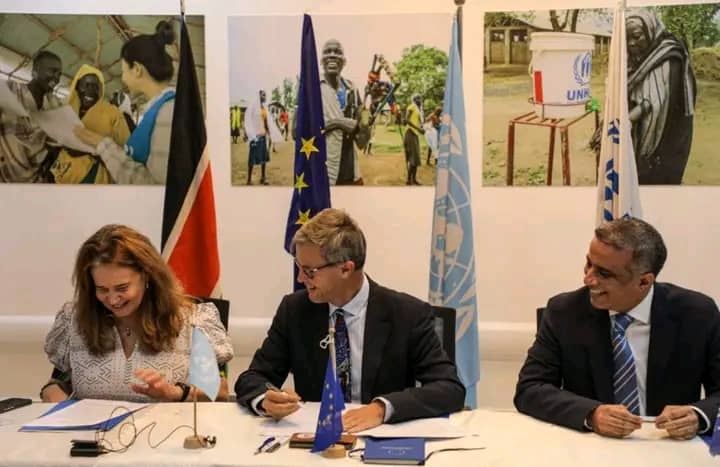
In a significant move to bolster support for displaced individuals and host communities in South Sudan, the European Union, in collaboration with the U.N. refugee agency (UNHCR) and the International Organization for Migration (IOM), has unveiled a €23 million project aimed at enhancing resilience in the region.
This initiative is part of a comprehensive regional response addressing the humanitarian fallout from the ongoing conflict in Sudan, which has resulted in the displacement of millions across South Sudan, Chad, and Ethiopia.
At the launch ceremony held in Juba, Lothar Jaschke, the deputy head of the EU delegation to South Sudan, remarked that the initiative transcends mere contractual obligations. He highlighted the shared challenges faced by displaced populations and local residents, stating that “the needs are vast, from healthcare and education to livelihoods, peacebuilding, and assistance for survivors of violence.” Jaschke underscored the EU’s commitment as the U.N.’s “largest donor,” emphasizing its collaborative efforts with U.N. agencies in addressing these critical issues.
Since the conflict in Sudan erupted in April 2023, there has been a substantial influx of refugees and returnees into South Sudan. Despite grappling with its own difficulties, Jaschke commended the country for demonstrating “great solidarity” by hosting around 10% of its population as refugees.
The new project emphasizes integration and aims to improve access to essential services, in addition to providing legal assistance related to land, property, and documentation. It also includes initiatives to rehabilitate schools and health clinics, along with training programs in healthcare, agriculture, and conflict resolution.
Marie-Helene Verney, the UNHCR representative in South Sudan, praised the EU’s prompt intervention, noting, “Typically, development actors arrive two or three years after a crisis, but the European Union stepped in within three to four months. This has made a significant difference.”
As the project progresses into its second phase, it will extend its reach to Juba and Malakal in Upper Nile state—areas particularly stressed by increasing populations.
Asaf Mohamed, head of the Association for Humanitarian Assistance, welcomed the initiative, aligning it with national priorities and describing it as a meaningful step towards achieving “durable solutions.” He noted a positive shift in coordination among aid organizations, calling it “unprecedented” during his eight years of service in the country.
categories
recent posts

Nigeria’s Loss, Their Gain: Why Rahila Joined The Nursing Exodus Abroad
NIGERIA: KYCA Moves To End Two-Year Leadership Crisis, Agrees on Elections And By-Elections

Charcoal Briquettes: The Promise of Cleaner Fuel And The Hidden Health Risks
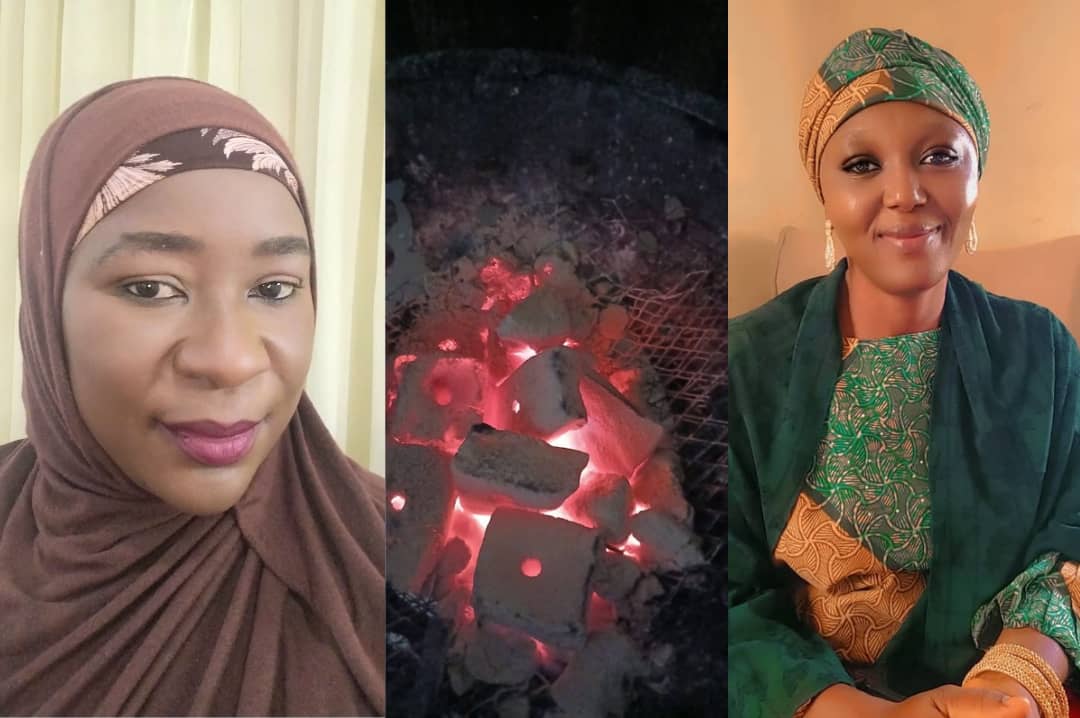
From Charcoal Waste To Wealth: How Two Young Nigerian Women Are Making Briquettes For Sustenance