By Ameenat Hamzat, Lagos, Nigeria
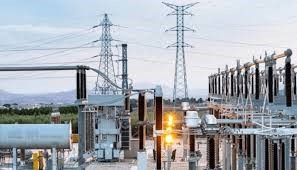
The Nigerian Presidency has commenced internal approval procedures to resolve a ₦2 trillion debt owed to electricity generation companies (GenCos) in a decisive move aimed at stabilising the country’s power sector.
This development was confirmed on Monday during the second Nigerian Electricity Supply Industry (NESI) Stakeholders Meeting of 2025, where the representative of the Special Adviser to the President on Energy, Eriye Onagoruwa, revealed that the government is urgently exploring options to address the massive debt burden.
Onagoruwa said the federal government acknowledges the strain the debt has placed on GenCos and the broader power infrastructure.
She noted that, due to ongoing fiscal constraints, alternative debt instruments are being considered, with support from the Coordinating Minister of the Economy and the Debt Management Office.
She said, “We are empathetic to what GenCos are facing. Internal approvals are currently underway, and we are aligning with key financial institutions to explore alternative ways to settle the debts.”
Although no firm timeline was given, Onagoruwa expressed optimism that the Presidency would provide a definitive update before the next quarterly NESI meeting, which is expected to take place within the next three months.
The issue of legacy debts in the power sector has drawn increasing concern from both operators and lawmakers.
GenCos have recently warned that their total outstanding payments now exceed ₦4 trillion.
The Senate Committee on Power also raised alarms over the growing liquidity crisis, disclosing that the Federal Government owes GenCos an estimated ₦200 billion each month in unpaid tariffs.
Stakeholders at the meeting, convened by the Nigerian Electricity Regulatory Commission (NERC), discussed a wide range of sector challenges, including ongoing metering gaps, regulatory reforms, and the decentralisation of electricity governance following the passage of the Electricity Act 2023.
The meeting also highlighted the risk of regulatory fragmentation as states begin exercising their new constitutional roles in electricity regulation.
Industry leaders stressed the need for harmonised policies to maintain national market integrity.
categories
recent posts

Nigeria’s Loss, Their Gain: Why Rahila Joined The Nursing Exodus Abroad
NIGERIA: KYCA Moves To End Two-Year Leadership Crisis, Agrees on Elections And By-Elections

Charcoal Briquettes: The Promise of Cleaner Fuel And The Hidden Health Risks

From Charcoal Waste To Wealth: How Two Young Nigerian Women Are Making Briquettes For Sustenance