By Onoja Baba, Nigeria
While Nigeria’s 36 governors are often at the center of political discourse, their spouses, quietly championing causes from maternal health to youth empowerment, are lamenting a painful reality.
They said their work is largely invisible.
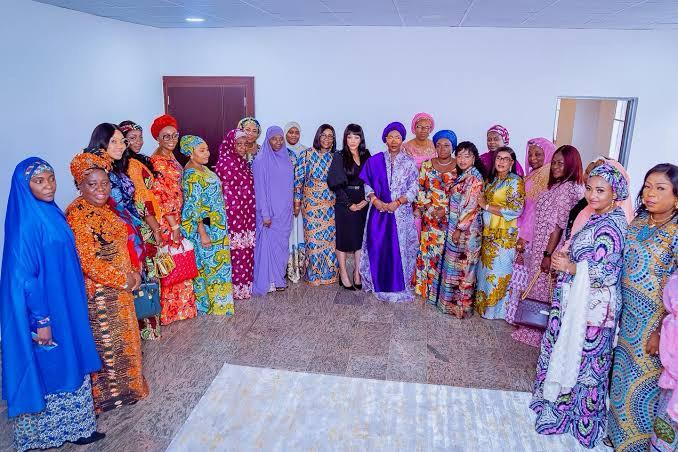
At a leadership and media retreat in Abuja on Wednesday, the wives of state governors broke their silence, calling for increased visibility and a stronger communication strategy to elevate their impact in the public consciousness.
The event, themed “Leading With Impact”, marked a pivotal moment where these often-sidelined figures sought to redefine their public roles.
The retreat, led by former CNN Africa senior editor and Emmy Award-winning journalist Stephanie Busari, focused on empowering the First Ladies with the tools for effective media engagement and narrative building.
Busari, through her firm SBB Media, facilitated conversations on storytelling, influence, and the power of strategic visibility.
“Our voices are unheard,” said Ogun State First Lady, Bamidele Abiodun, who addressed journalists on behalf of her colleagues.
She added, “We support what the governors do, but we do more in the social space — working with women, children, and communities the state may not directly reach. Yet, our work often goes unacknowledged.”
Her remarks highlight a critical paradox: while state First Ladies frequently serve as the bridge between governments and vulnerable populations, their efforts are overshadowed by their ceremonial titles and the assumption that their roles are merely decorative.
“Our visibility is not vanity. It is responsibility. We must learn how to share our stories not just through speeches but with strategy,” Abiodun said firmly.
From distributing sanitary pads in remote schools to quietly funding maternal clinics, these women wield influence in spaces governors may not tread.
But their inability to control the narrative means their interventions often fall beneath the media radar, a reality that impairs public awareness and policy continuity.
Busari, reflecting on her experience working with change agents across Africa, emphasized that the power of the story is key to influence.
She said, “Their work touches lives directly — maternal mortality, gender-based violence, education, yet so much of it remains undocumented and undervalued. This retreat is about shifting that dynamic.”
The retreat underscores a broader shift in perception: that First Ladies are not mere appendages to state power but active contributors to social progress.
While they do not wield elected authority, they occupy a unique moral and advocacy space, one that, if well harnessed, could catalyze policy support for the most marginalized.
As Nigeria grapples with a myriad of socio-economic challenges, the call by these women is not for praise or political clout but for platforms that amplify the work already being done in silence.
“Let the work speak,” one First Lady quietly remarked during a breakout session, a sentiment that now echoes as a collective demand for recognition, responsibility, and relevance in the nation’s development conversation.
categories
recent posts
Nigeria’s Loss, Their Gain: Why Rahila Joined The Nursing Exodus Abroad
NIGERIA: KYCA Moves To End Two-Year Leadership Crisis, Agrees on Elections And By-Elections

Charcoal Briquettes: The Promise of Cleaner Fuel And The Hidden Health Risks
From Charcoal Waste To Wealth: How Two Young Nigerian Women Are Making Briquettes For Sustenance