By Onoja Baba
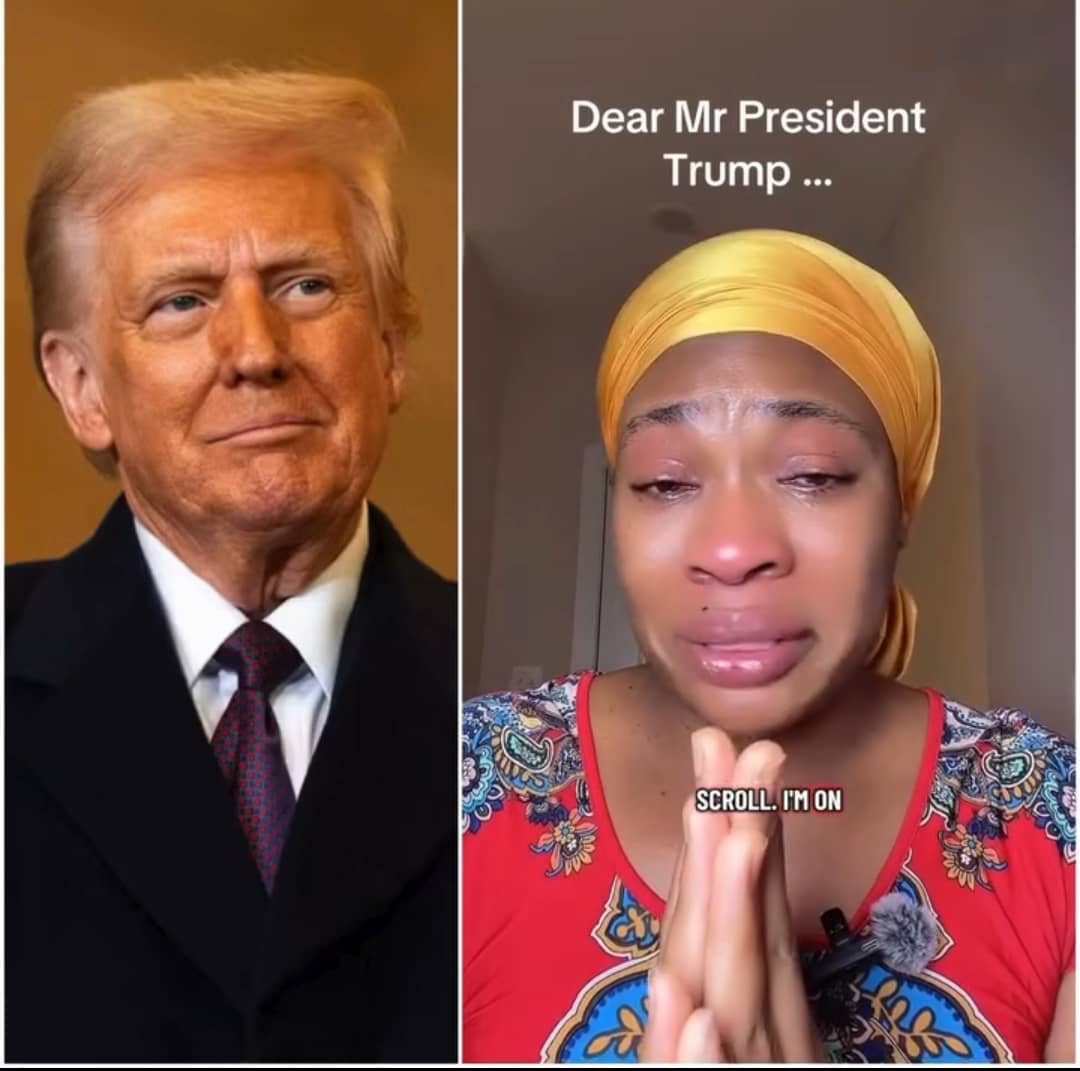
A Nigerian-born member of the United States Army has made an emotional public plea to President Donald Trump, urging an exception to current US visa restrictions so her critically ill daughter in Nigeria can join her in America for medical treatment.
In a video shared Monday on the Facebook page of popular Nigerian blogger Tunde Ednut and transcribed by African Culture TV, the woman identified herself as Uzumaka. She said she is a US citizen who has served in the Army and taken an oath to the country. She has lived in the United States for about 10 years and described herself as law-abiding.
Uzumaka said she has been separated from her daughter, who remains in Nigeria, for a decade. According to her account, the girl has completed the required US immigration process but cannot travel because of the current visa restrictions affecting Nigerian nationals.
The situation has grown urgent, she said, because her daughter is critically ill and requires medical care that is difficult to obtain at a high quality in Nigeria. She expressed fear that she could lose her daughter before they reunite.
“I’m at the verge of losing my daughter,” she said in the video. “Dear Mr. President… I’m speaking as a mother whose heart is gradually breaking… My plea right now is not about politics but a humanitarian one… I am only simply asking that there should be an exception for me and for people that fall in this category. My daughter is critically ill. I have all the paperwork to prove it, medical reports.”
She added that she has contacted her military commanders and Minnesota Sen. Amy Klobuchar’s office. She was told the process was proceeding as planned under existing policies.
She said she cannot return to Nigeria due to security concerns and stressed that her minor children pose no security threat. Uzumaka appealed for the public to share the video widely and tag the president, noting that outreach to major news outlets had not yielded responses.
The case highlights the human impact of US visa policies affecting Nigeria that took effect in early 2026 under the Trump administration. Presidential Proclamation 10998, issued in December 2025 and effective January 1, 2026, placed Nigeria among countries facing partial entry restrictions.
These suspend the issuance of immigrant visas as well as certain nonimmigrant categories (including B-1/B-2 visitor, F, M, and J student/exchange visas) for Nigerian nationals who were outside the United States and lacked a valid visa as of the effective date. Limited exceptions apply, such as for dual nationals using a non-restricted passport, certain special immigrant visas, or case-by-case waivers.
A broader pause on immigrant visa processing for applicants from about 75 countries, including Nigeria, was also implemented around January 21, 2026. Nigeria has additionally been subject to a visa bond program (made permanent in early August 2026) under which certain visitor visa applicants may be required to post bonds of up to $20,000. Officials have cited national security, screening challenges, overstay rates, and related concerns in justifying the measures involving Nigeria and other countries.
Waivers or exceptions on humanitarian or national-interest grounds remain possible in individual cases, though applicants and advocates report significant delays and limited approvals for many family reunification matters. Uzumaka’s video, which has circulated online, frames her request specifically as a humanitarian exception for a US citizen service member’s minor child with documented medical needs.
The video underscores ongoing debates over the balance between immigration enforcement, national security, and family reunification under the current restrictions.
categories
recent posts
IMF Says Malawi Making Progress on Economic Recovery Reforms
NIGERIA: Makinde Campaign Sets 68m-Vote Target As APM Kicks Off 2027 Drive
NIGERIA: INEC Assures On Election Integrity As 2027 Polls Enter Final 100-Day Countdown
Messi Ends Argentina Career on a High