
By Onoja Baba, Nigeria
The Federal Ministry of Finance has rejected recent media reports and public commentaries that claim a significant portion of federation earnings is being diverted or constitutes hidden spending, describing such interpretations as a misrepresentation of the latest Nigeria Development Update released by the World Bank.
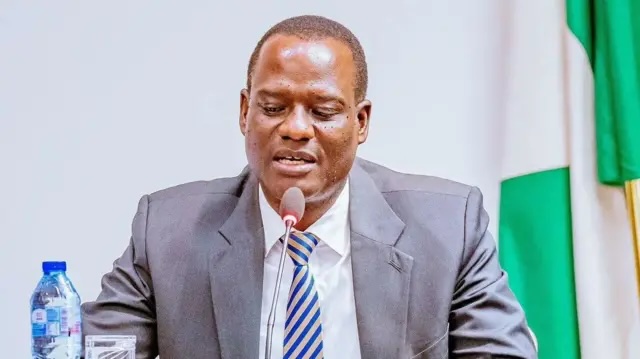
In a press statement signed by the Honourable Minister of State for Finance, Taiwo Oyedele, released on Sunday, the ministry said the claims reflect a misunderstanding of Nigeria’s fiscal system and wrongly portray deductions made through the Federation Account Allocation Committee as waste or missing funds.
The ministry explained that these deductions cover statutory transfers, savings and investments, security-related expenditures, cost-of-collection charges, refunds to ministries, departments and agencies, as well as transfers and interventions that benefit subnational governments.
It stressed that refunds and transfers to states and other tiers of government are not leakages but represent legitimate fiscal flows, including repayments of obligations and allocations backed by law.
The statement criticised some commentators for relying selectively on outdated data while ignoring the forward-looking aspects of the World Bank report and the ongoing public financial management reforms.
According to the ministry, the World Bank has noted that reforms introduced in early 2026, particularly the recently signed Executive Order aimed at safeguarding the remittance of petroleum revenues, are already tackling concerns over deductions.
These measures are expected to boost transparency and increase revenues available to all tiers of government by approximately 0.4 percent of GDP each year.
The ministry highlighted that the broader message of the World Bank report is positive, pointing to strengthening macroeconomic fundamentals. It noted that economic growth is becoming more broad-based across different sectors, inflation is gradually declining as a result of deliberate policy actions, the country’s external reserves have improved alongside a current account surplus, and debt indicators have shown progress with a decline in the debt-to-GDP ratio for the first time in over a decade.
These positive developments, the ministry said, reflect the impact of the current administration’s macroeconomic policies and fiscal reforms.
The statement emphasised that the World Bank does not suggest Nigeria’s fiscal system is collapsing or that reforms have failed. Instead, the report affirms that the reforms are working and need to be sustained and deepened to convert macroeconomic gains into inclusive growth for citizens.
The Federal Government, according to the ministry, remains fully committed to enhancing fiscal transparency, improving revenue mobilisation, ensuring efficient public spending, and continuing reforms that support inclusive economic growth.
The ministry urged stakeholders, media organisations, and the general public to engage responsibly with fiscal information and to avoid interpretations that could undermine ongoing reform efforts or create un
necessary public discord.
categories
recent posts
IMF Says Malawi Making Progress on Economic Recovery Reforms
NIGERIA: Makinde Campaign Sets 68m-Vote Target As APM Kicks Off 2027 Drive
NIGERIA: INEC Assures On Election Integrity As 2027 Polls Enter Final 100-Day Countdown

Messi Ends Argentina Career on a High