
By Ameenat Hamzat, Lagos, Nigeria
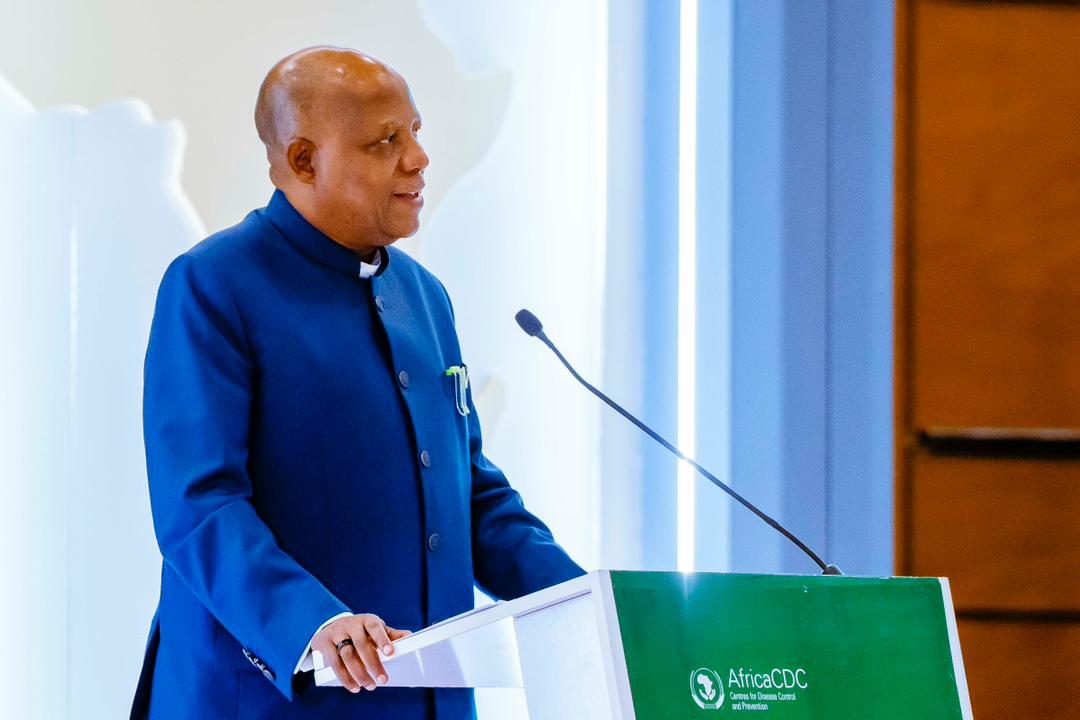
Representing The President of Nigeria, Bola Ahmed Tinubu, the Vice President, Kashim Shettima, stepped into a continental leadership role on Friday, using a high-level forum of African leaders to frame health security as a sovereignty issue that must be driven by African capacity rather than external dependence.
Speaking on the margins of the 39th summit of the African Union in Addis Ababa, Shettima presented Nigeria’s reforms as a working model for a continent seeking to insulate its health systems from global supply shocks, funding uncertainties and emergency bottlenecks exposed during recent pandemics.
He said:“We stand ready to collaborate with every member state of our Union to make health security sovereignty measurable in factories commissioned, laboratories accredited, health workers trained, counterfeit markets dismantled, and insurance coverage expanded.”
The Vice President argued that Africa’s long-term health resilience depends on deliberate investment in local manufacturing, regulatory enforcement and workforce expansion pillars he said Nigeria is actively strengthening under the leadership of President Bola Tinubu.
Drawing lessons from the COVID-era scramble for vaccines and oxygen supplies, Shettima warned that endurance without institutional reform leaves countries vulnerable to repeat crises.
He added: “When confronted with vulnerability, we chose capacity; when confronted with dependence, we chose dignity; and when confronted with uncertainty, we chose cooperation… we built a continent that could heal itself.”
The Vice President linked this continental vision to Nigeria’s domestic reforms, including large-scale primary healthcare revitalisation, expanded insurance coverage and industrial support aimed at pharmaceutical self-reliance. He said sovereignty in health must combine infrastructure, financing protection and regulatory discipline.
Nigeria’s Coordinating Minister of Health and Social Welfare, Muhammad Ali Pate, described the country’s approach as an example of turning policy ambition into measurable capacity, particularly in workforce planning and rural healthcare delivery.
The initiative is being advanced in collaboration with the Africa Centres for Disease Control and Prevention, which is coordinating continental efforts to strengthen epidemic intelligence, community health systems and emergency preparedness.
Health ministers attending the session signalled alignment with Nigeria’s push, backing accelerated investment in workforce development and community-based care, including the continental target of two million community health w
orkers by 2030..
categories
recent posts
IMF Says Malawi Making Progress on Economic Recovery Reforms

NIGERIA: Makinde Campaign Sets 68m-Vote Target As APM Kicks Off 2027 Drive

NIGERIA: INEC Assures On Election Integrity As 2027 Polls Enter Final 100-Day Countdown

Messi Ends Argentina Career on a High