By Deborah Akur Chol, South Sudan
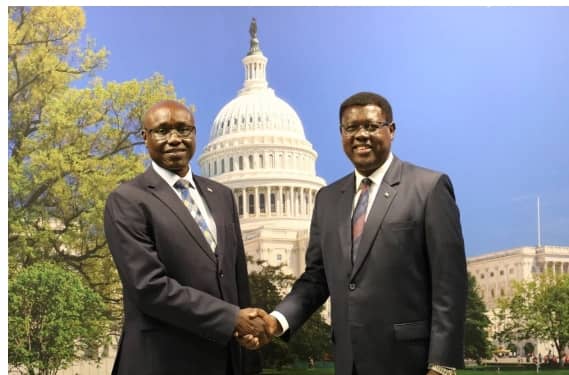
South Sudan’s Minister of Foreign Affairs and International Cooperation, Ambassador Monday Semaya K. Kumba, is currently in Washington, D.C., for a crucial bilateral visit aimed at revitalising the strained relations between South Sudan and the United States.
This visit is part of the South Sudan government’s initiative to mend ties with Washington, which have been under strain due to diplomatic tensions stemming from deportation disputes in April. These issues culminated in the U.S. imposing visa restrictions on holders of South Sudanese passports.
While specific meetings for Minister Kumba have not been disclosed, a statement from the Foreign Ministry indicated that the primary goal of the trip is to facilitate “comprehensive bilateral discussions aimed at strengthening ties between South Sudan and the United States across various fields of cooperation.”
Upon his arrival, Minister Kumba was warmly welcomed by South Sudan’s Ambassador to the United States, Santino Fardol Watod, and embassy staff. This visit marks the start of what officials are heralding as a “broad bilateral engagement,” with an emphasis on enhancing cooperation in political, economic, and humanitarian sectors.
The minister’s visit coincides with U.S. Secretary of State Marco Rubio’s reaffirmation of America’s commitment to strengthening diplomatic relations with South Sudan during the country’s 14th Independence Day celebrations on July 9. In a statement from the State Department, Rubio expressed, “We reaffirm the friendship between the people of our two countries, which began decades before South Sudan’s independence in 2011.” He added, “We look forward to continuing to work together to ensure a more peaceful and prosperous future that benefits the people of both our countries.”
This diplomatic overture follows an extended period of tension that began in April when South Sudan initially declined to accept a deportee identified by U.S. immigration officials as a South Sudanese national. This refusal was viewed by Washington as a breach of international obligations, resulting in visa restrictions for South Sudanese passport holders.
Although Juba later accepted the deportee, initial refusals were based on claims that the individual in question had no legitimate ties to South Sudan. This standoff has cast a shadow over ongoing humanitarian and development projects between the two nations.
In a sign of goodwill before Minister Kumba’s visit, South Sudan announced it had accepted eight deportees from the U.S., aiming to foster diplomatic normalisation, despite the fact that most of the deportees were not originally from South Sudan. Foreign Ministry spokesperson Ambassador Apuk Ayuel Mayen characterized this decision as part of a broader commitment to resolving conflicts through dialogue.
“This development comes within the context of ongoing bilateral engagement between the Republic of South Sudan and the United States of America,” Mayen stated. “This engagement aims at normalizing relations, deepening bilateral cooperation, and addressing mutual concerns and interests.”
Despite these positive developments, the U.S. visa ban on South Sudanese nationals remains a significant hurdle, serving as a constant reminder of the unresolved tensions between the two nations. Nonetheless, diplomats from both sides appear optimistic about finding a solution to this issue.
categories
recent posts
NIGERIA: FG Moves To Unlock 1,600MW Stranded Power With New Grid Company Plan
NIGERIA: Frank Mba, Seven DIGs Retire as PSC Promotes Replacements