By Deborah Akur Chol, South Sudan
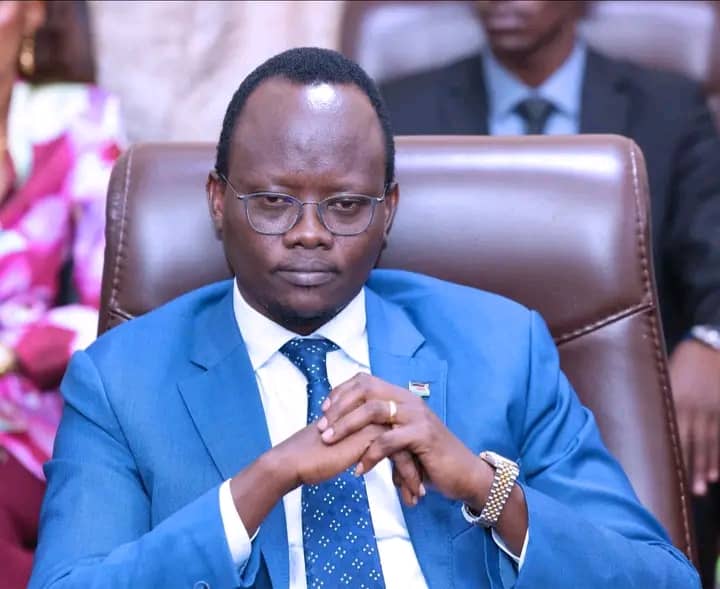
South Sudan’s newly appointed Finance Minister, Dr Bak Barnaba Chol, addressed pressing economic challenges on Thursday, committing to implement urgent reforms and austerity measures to stabilise the nation’s struggling economy and decrease reliance on oil revenues.
During a welcoming event at the Ministry of Finance and Planning in Juba, Bak emphasised the government’s need to restrict spending while enhancing domestic revenue collection in response to what he termed one of the most challenging economic phases in the country’s history.
“We will focus on improving revenue collection and minimising expenditure. The coming months will be difficult, but we must persevere,” Bak stated to ministry staff. “Austerity measures can boost revenue while ensuring tighter control on spending this is essential for economic recovery.”
Having previously served as finance minister from August 2023 to March 2024, Bak articulated that his return offers a chance to advance initiatives launched in the past year, including payroll verification efforts, the removal of “ghost workers,” and the cancellation of superfluous contracts.
He acknowledged that earlier attempts to diversify the economy and enforce fiscal discipline encountered resistance from various sectors within the government and social media discussions. However, he maintained that these reforms are critical for the nation’s future.
“Last time, our efforts to lessen dependency on oil revenues by emphasising agriculture, mining, and tax reforms faced considerable opposition, even from within our own ranks,” he noted. “But I do not harbour resentment. Change is challenging, but it is necessary.”
Bak urged civil servants to show patience and resilience, reassuring them that improvements to salaries and benefits would follow once the economic landscape stabilises.
He cautioned against misinformation and political propaganda that have impeded the ministry’s effectiveness and contributed to ongoing leadership changes.
“Implementing reforms isn’t a quick process,” he explained. “A minister needs adequate time to strategise and execute plans. If we continue to create unrest, we won’t attract the necessary investment. Let’s allow our leadership the time to achieve results.”
Additionally, Bak encouraged South Sudanese citizens to embrace self-sufficiency through agricultural initiatives and private entrepreneurship, emphasising the importance of reducing reliance on government jobs.
“I urge you to engage in farming and seek alternative income sources. Let’s cultivate a strong work ethic and entrepreneurial spirit,” he encouraged.
He reaffirmed his dedication to transparency and economic reform through stringent fiscal responsibility, diversification, and production enhancement.
“We must refine our tax collection processes, eliminate arbitrary payments and contracts, and direct our focus toward oil, agriculture, and mining. Achieving this economic transformation will require patience, determination, and hard work,” Bak concluded.
President Salva Kiir reappointed Bak as head of the Finance and Economic Planning Ministry on Monday, following the dismissal of his predecessor, Athian Diing Athian, amid rising inflation and delays in public sector salaries.
South Sudan’s economy has endured significant strain from years of conflict, global economic disruptions, and the ongoing war in neighbouring Sudan, which has severely affected crucial oil export channels. The country is heavily reliant on oil, which accounts for over 90% of its government revenue.
categories
recent posts
NIGERIA: FG Moves To Unlock 1,600MW Stranded Power With New Grid Company Plan
NIGERIA: Frank Mba, Seven DIGs Retire as PSC Promotes Replacements