By Deborah Akur Chol, South Sudan
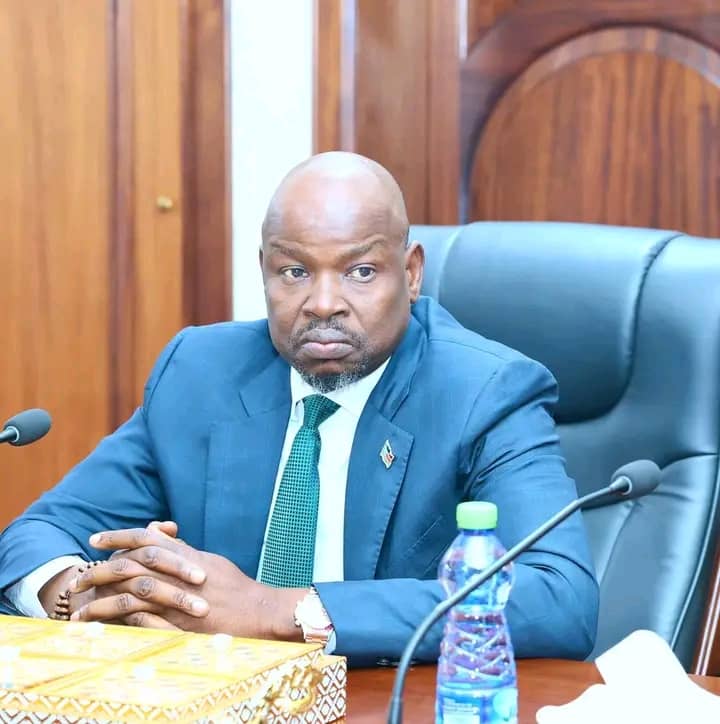
In a significant reshuffle on Tuesday evening, South Sudan’s President Salva Kiir Mayardit, who also heads the ruling Sudan People’s Liberation Movement (SPLM), appointed Vice President Dr. Benjamin Bol Mel, as the first deputy chairperson of the party, replacing the long-standing Dr. James Wani Igga.
Political analysts suggest this move could signal Kiir’s intentions regarding succession planning within the government.
While South Sudan has been officially at peace since the 2018 agreement that ended a devastating five-year civil war, the country continues to grapple with severe humanitarian challenges, including ongoing violence, widespread food insecurity, and inadequate healthcare services.
The leadership reshuffle, announced through state broadcaster on Tuesday night, saw Kiir replace Igga, a veteran of the liberation struggle, with Bol Mel, who has been gaining influence in recent months. Appointed as vice president in February 2025, Bol Mel has been overseeing the economic portfolio, positioning him as a prominent figure in the government’s decision-making processes.
Observers opine that Bol Mel’s ascent to the role of first deputy chairperson within the SPLM marks him as a potential successor to Kiir, although the decree announcing the change did not provide further context regarding the reshuffle.
In an unexpected development, Kiir also relieved Daniel Awet Akot of his duties as second deputy chairperson and Kuol Manyang Juuk as third deputy chairperson, subsequently appointing Mary Apai Ayiga and Simon Kun Puoch, a former governor of Upper Nile state, to these positions, respectively. Additionally, the decrees revoked Igga’s role as secretary-general and altered Ayiga’s title from deputy secretary-general.
In a related political context, President Kiir and First Vice President Riek Machar delayed national elections for an additional two years in September 2024, extending the timeline initially stipulated by the country’s transitional agreement.
Since gaining independence from Sudan in 2011, citizens have long awaited the opportunity to elect their leaders, and this continued postponement raises concerns about the political future of the nation.
categories
recent posts
NIGERIA: FG Moves To Unlock 1,600MW Stranded Power With New Grid Company Plan
NIGERIA: Frank Mba, Seven DIGs Retire as PSC Promotes Replacements