
By Ameenat Hamzat, Lagos, Nigeria
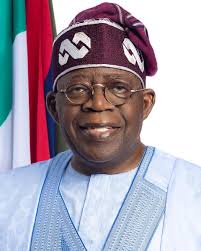
President Bola Ahmed Tinubu has reaffirmed that Nigeria’s new tax laws will take effect from January 1, 2026, insisting that the Federal Government will not suspend or delay the implementation of the reforms.
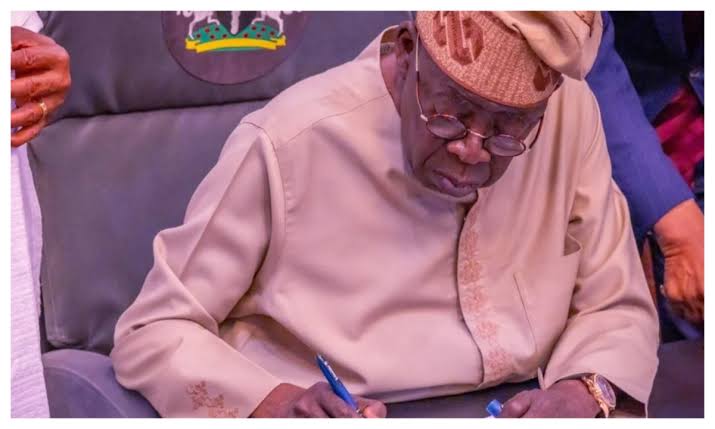
In a statement personally signed on Tuesday, the President described the tax reforms as a critical structural shift aimed at strengthening Nigeria’s fiscal framework, improving fairness, and restoring confidence in the country’s revenue system.
According to Tinubu, the reforms, some of which were enacted on June 26, 2025, with others scheduled to commence in the new year, represent a long-term strategy rather than a short-term revenue drive.
“These reforms are not designed to raise taxes,” the President stated, adding that they are intended to harmonise existing tax structures, protect dignity, and strengthen the social contract between the government and citizens.
He explained that the implementation phase has entered what he termed a “delivery stage,” stressing that no substantial concerns have emerged that would justify disrupting the reform process.
The statement read: “Absolute trust is built over time through making the right decisions, not through premature or reactive measures.”
President Tinubu also reaffirmed his administration’s commitment to due process and legislative integrity, pledging continued engagement with the National Assembly to resolve any implementation challenges that may arise.
The President assured Nigerians that the reforms are anchored on the public interest, with a focus on shared responsibility and long-term economic stability.
Earlier, the Chairman of the Presidential Committee on Fiscal Policy and Tax Reforms, Taiwo Oyedele, had confirmed that the final implementation phase, covering the Nigeria Tax Act and the Nigeria Tax Administration Act, remains firmly on schedule following a high-level meeting with the President on December 26, 2025.
Oyedele said the decision to proceed reflects the pro-people orientation of the new laws, noting that the reforms are structured to ease the burden on vulnerable groups.
Government projections indicate that about 98 percent of Nigerian workers and 97 percent of small businesses will either be fully exempt from taxes or experience significant reductions in their tax obligations under the new framework.
The Federal Government maintains that the reforms are central to building a more efficient, inclusive, and growth-oriented economy as Nigeria prepares for the 2026 fiscal year.
categories
recent posts
NIGERIA: FG Moves To Unlock 1,600MW Stranded Power With New Grid Company Plan

NIGERIA: Frank Mba, Seven DIGs Retire as PSC Promotes Replacements

NIGERIA: Google Expands AI Search Support To Yorùbá And Hausa