By Ameenat Hamzat, Lagos, Nigeria
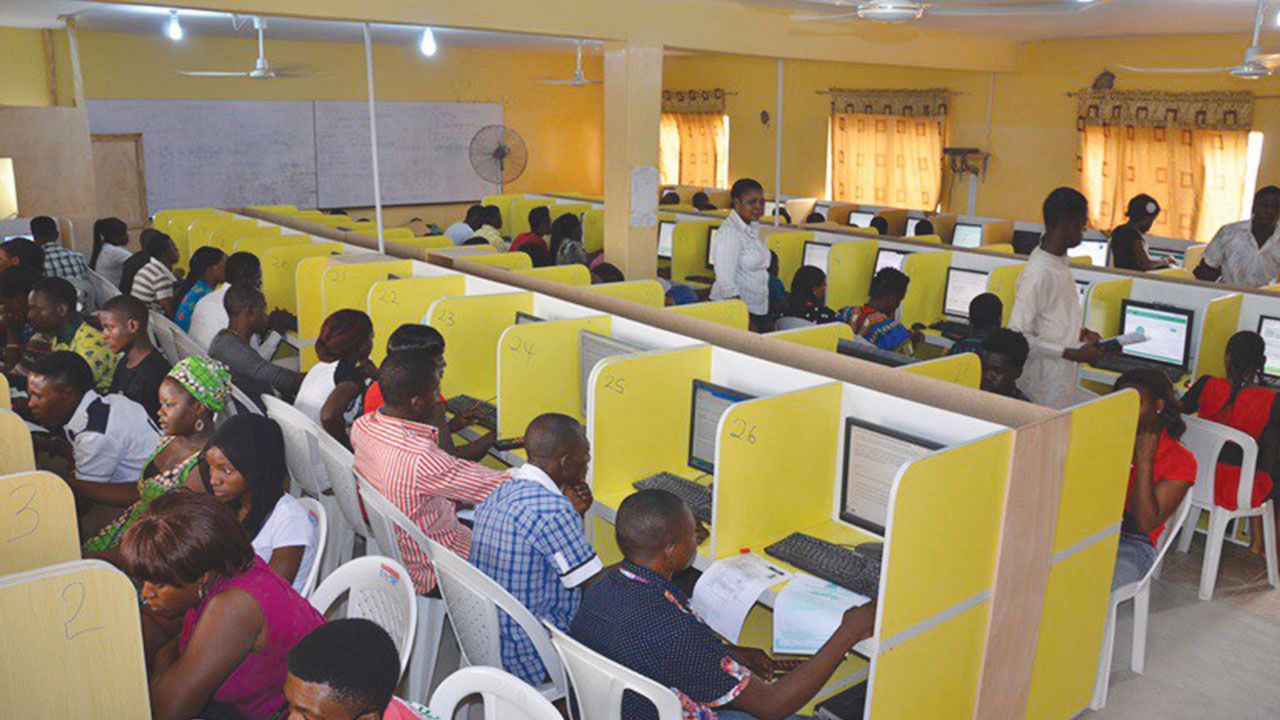
The Federal Government has announced that the National Examinations Council (NECO) will commence computer-based examinations in 2026 as part of efforts to curb examination malpractice and modernise Nigeria’s assessment system.
The Minister of Education, Dr. Tunji Alausa, disclosed this during NECO’s 25th anniversary celebration held in Abuja.
According to the minister, the transition to technology-driven examinations represents a major step towards improving the credibility and integrity of public examinations in the country.
“We are at the threshold of a very important reform, which NECO is spearheading, and that is the Computer-Based Examination, which is to commence this year,” Alausa said.
He explained that the system would allow authorities to monitor candidates in real time, detect suspicious activities, and reduce examination fraud.
Alausa described NECO as a critical institution in promoting integrity and accountability in the education sector, noting that the examination body has grown into a trusted national institution over the last 25 years.
He said NECO had strengthened examination security, improved scoring reliability, expanded access to underserved communities, and adopted technological innovations that boosted confidence in its certificates.
The minister added that the Federal Ministry of Education would continue to provide oversight to ensure NECO’s examinations align with national educational goals and curriculum standards.
He also stressed the need for educational assessments to move beyond rote learning and focus more on critical thinking, digital literacy, and problem-solving skills.
“As we celebrate this Silver Jubilee, may NECO and the Ministry of Education continue to work in unison, fostering trust, driving reform, and ensuring that certification remains a passport to brighter futures for all students,” he added.
In his remarks, NECO Registrar and Chief Executive, Prof. Dantani Wushishi, said the council now conducts examinations in eight countries, describing the expansion as evidence of increasing international acceptance of NECO certificates.
“Today, NECO stands as a benchmark for credible examinations in the region and among international peers,” Wushishi stated.
He noted that the council had introduced reforms including digital verification systems, e-certificates, e-library services, and data analytics platforms.
Wushishi also disclosed that NECO had embarked on infrastructure expansion projects, including the construction of offices in 10 states and the establishment of additional zonal directorates to improve service delivery.
He added that the council plans to intensify measures against examination malpractice while strengthening digital services in line with its future development agenda.
The introduction of computer-based examinations marks another shift in Nigeria’s public assessment system, following similar reforms introduced by examination bodies such as JAMB to improve examination sec
urity, transparency, and efficiency.
categories
recent posts

Nigeria’s Loss, Their Gain: Why Rahila Joined The Nursing Exodus Abroad
NIGERIA: KYCA Moves To End Two-Year Leadership Crisis, Agrees on Elections And By-Elections

Charcoal Briquettes: The Promise of Cleaner Fuel And The Hidden Health Risks

From Charcoal Waste To Wealth: How Two Young Nigerian Women Are Making Briquettes For Sustenance