By Ameenat Hamzat, Lagos, Nigeria
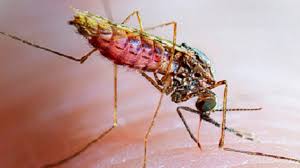
The Federal Government, in partnership with the Malaria Consortium, has unveiled a four-year national strategy aimed at accelerating efforts toward a malaria-free Nigeria between 2026 and 2029.
The initiative was announced in Abuja during the official unveiling of Malaria Consortium Nigeria’s 2026–2029 strategy, where government officials and development partners reaffirmed their commitment to strengthening collaboration under a sector-wide framework focused on prevention, elimination and eventual eradication of malaria.
The Coordinating Minister of Health and Social Welfare, Muhammad Ali Pate, said Nigeria had recorded measurable progress in reducing malaria prevalence, noting that national infection rates had declined to about 15 per cent.
He said: “When you design a strategy, you want to produce health, save lives, and reduce both physical and financial burdens. Diseases push families into catastrophic expenditure. We don’t want this strategy to gather dust.”
Pate explained that the new framework aligns with the Federal Government’s Sector-Wide Approach and ongoing health sector reforms under the Nigerian Health Sector Renewal Initiative, emphasising sustainability, ownership and improved service delivery.
He added: “We have delivered 390 million treatments in the last five decades, but for malaria, we are aiming not only for elimination but for total eradication. We will get there. We look forward to the day the World Health Organization certifies Nigeria malaria-free.”
Also speaking, Malaria Consortium Country Programmes Manager, Olatayo Abikoye, highlighted the scale of Nigeria’s malaria burden, describing the disease as a major public health and economic challenge.
“Nigeria accounts for 27 percent of global malaria cases and 12 percent of malaria deaths. We lose about $1.1 billion annually to treatment, prevention, and lost productivity. Addressing malaria is not optional,” he said.
Abikoye disclosed that Nigeria would begin local production of World Health Organization pre-qualified dual-active long-lasting insecticide-treated bed nets for the first time, a development expected to strengthen health security and boost local manufacturing capacity.
“As soon as we advanced the project, the world’s second-largest producer signaled interest in coming to Nigeria. This country will not only be self-reliant but will also become a supplier,” he said.
The World Health Organization Representative and Head of Mission for Nigeria, Pavel Ursu, reaffirmed international support for Nigeria’s malaria elimination drive, noting that progress in the country would significantly influence global malaria reduction targets.
“As the country with the highest malaria burden globally, Nigeria’s progress is pivotal to achieving regional and global targets,” he said.
Health experts at the event stressed that the strategy focuses on high-impact interventions, research application, policy strengthening and expanded partnerships aimed at protecting vulnerable populations, particularly children under five, while advancing Nigeria’s long-term go
al of malaria eradication.
categories
recent posts

NIGERIA: FG Moves To Unlock 1,600MW Stranded Power With New Grid Company Plan
NIGERIA: Frank Mba, Seven DIGs Retire as PSC Promotes Replacements

NIGERIA: Google Expands AI Search Support To Yorùbá And Hausa