By Smile Hamilton Malawi.
As Malawi prepares for the September 16 general elections, the nation’s first presidential debate has stirred controversy not because of what was said, but because of who chose not to speak.
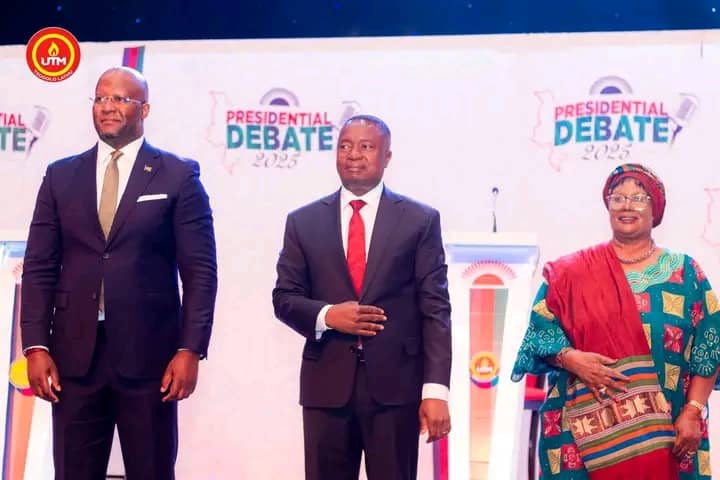
On August 21, 2025, the debate at Bingu International Conference Centre (BICC) drew only three presidential hopefuls: Atupele Muluzi of UDF, Dalitso Kabambe of UTM, and Joyce Banda of the People’s Party.

The absence of President Lazarus Chakwera of the Malawi Congress Party (MCP) and former president Peter Mutharika of the Democratic Progressive Party (DPP) quickly became the main talking point. For many Malawians, the decision by two of the most powerful contenders to skip the platform amounted to avoiding accountability.
Debates, civil society organisations argue, are a rare chance for voters to compare leaders side by side, beyond rallies and promises. “It is a matter of respect,” said one analyst. “When leaders shun debates, they shun the people.” The criticism has been strong, with some describing the boycott as an act of “democratic disrespect.”
Those who did attend used the stage to outline their visions. Muluzi pledged economic reforms and private sector growth, Kabambe promised to stabilise the currency and address forex shortages, while Banda spoke on social protection and restoring trust in governance. Their willingness to be questioned was welcomed by voters who tuned in across radio, TV, and online streams.
In defence of their absence, MCP and DPP leaders held a press briefing, arguing that the debate was not important and that their campaign strategies would focus on direct engagement with the people rather than staged platforms. But critics say this explanation fails to recognise that debates are a vital part of modern democracy, where voters expect transparency and issue-based discussions.
Observers note that Malawians are increasingly demanding issue-based politics. With the economy struggling, corruption cases unresolved, and public services stretched, citizens say debates are more than just political theatre they are a democratic duty.
As the election clock ticks, organisers insist that more debates will be held in the coming weeks. The question remains: will the absent leaders take the stage, or will they continue to campaign from a distance, leaving Malawians to judge their silence at the ballot box?
categories
recent posts
NIGERIA: FG Moves To Unlock 1,600MW Stranded Power With New Grid Company Plan
NIGERIA: Frank Mba, Seven DIGs Retire as PSC Promotes Replacements