By Onoja Baba, Nigeria
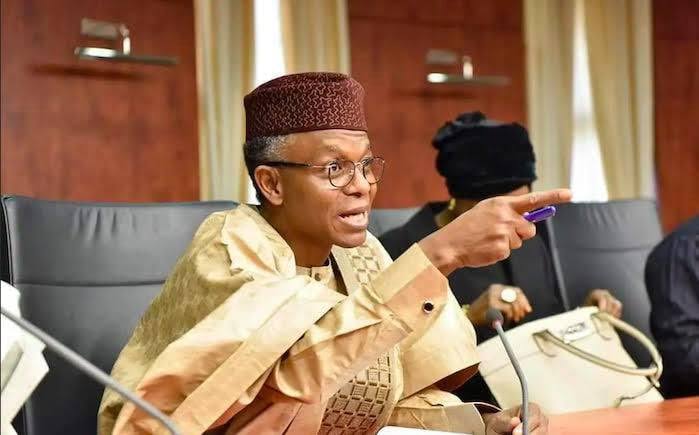
Human rights lawyer Barrister Inibehe Effiong has raised serious legal objections to the cybercrime charges filed against former Kaduna State Governor Mallam Nasir El-Rufai, describing the case as problematic and potentially flawed on multiple grounds.
The reaction came on Monday following the circulation of the charge sheet at the Federal High Court in Abuja, where the Federal Republic of Nigeria accused El-Rufai of three counts under the Cybercrimes (Prohibition, Prevention, etc) Amendment Act 2024 and the Nigerian Communications Act 2003.
The charges stem from statements El-Rufai made during an interview on Arise TV’s Prime Time programme last week.
Count one alleges he admitted to unlawfully intercepting the phone communications of National Security Adviser Mallam Nuhu Ribadu. Count two claims he failed to report individuals who carried out the interception. Count three accuses him and others still at large of using technical equipment that compromised public safety and national security.
Effiong pointed out several issues with the charge sheet. He argued that no entity known to law as the Department of State Services (DSS) exists, as the National Security Agencies Act only establishes the State Security Service (SSS).
He further noted that the SSS lacks prosecutorial powers under the same Act.
The lawyer questioned whether El-Rufai’s television statement qualifies as an “extrajudicial confession” under the law, emphasising that for a statement to be confessional, it must be made under caution. He clarified that El-Rufai did not claim to have personally wiretapped the NSA but said someone else did and informed him.
Effiong invoked the constitutional right against self-incrimination, stating that no court can compel El-Rufai to give evidence against himself.
While noting he is not a supporter of El-Rufai, the lawyer maintained that the charge appears weak in law.
The prosecution is led by counsel from the DSS, including ME Ernest Esq and others, with the charge dated February 16, 2026.
El-Rufai is yet to respond formally to the allegations, and no arraignment date has been confirmed. Legal observers expect the matter to generate significant debate on free speech, prosecutorial jurisdiction, and the boundaries of cybercrime
legislation in Nigeria.
categories
recent posts
NIGERIA: FG Moves To Unlock 1,600MW Stranded Power With New Grid Company Plan
NIGERIA: Frank Mba, Seven DIGs Retire as PSC Promotes Replacements