By Lisbeth Micheni, Kenya
The British Broadcasting Corporation (BBC) has defended its recent undercover investigation into the sexual exploitation of minors in Maai Mahiu, Kenya, following claims from government officials that the documentary was fabricated.
Interior Cabinet Secretary Kipchumba Murkomen told Parliament on Wednesday that the film was misleading, alleging that the people featured were not minors at the time of filming but were pretending to be children.
He further accused the broadcaster of offering financial incentives to those who appeared in the documentary.
In response, the BBC stated that the women interviewed were adults recounting abuse they suffered when they were underage and insisted no payments or promises of payment were made.
The broadcaster described the report by its Africa Eye team as a vital piece of public interest journalism and confirmed that all evidence gathered had been handed over to Kenyan authorities in March this year.
According to the BBC, follow-up discussions with the police were held to ensure that children identified as being at risk would be safeguarded.
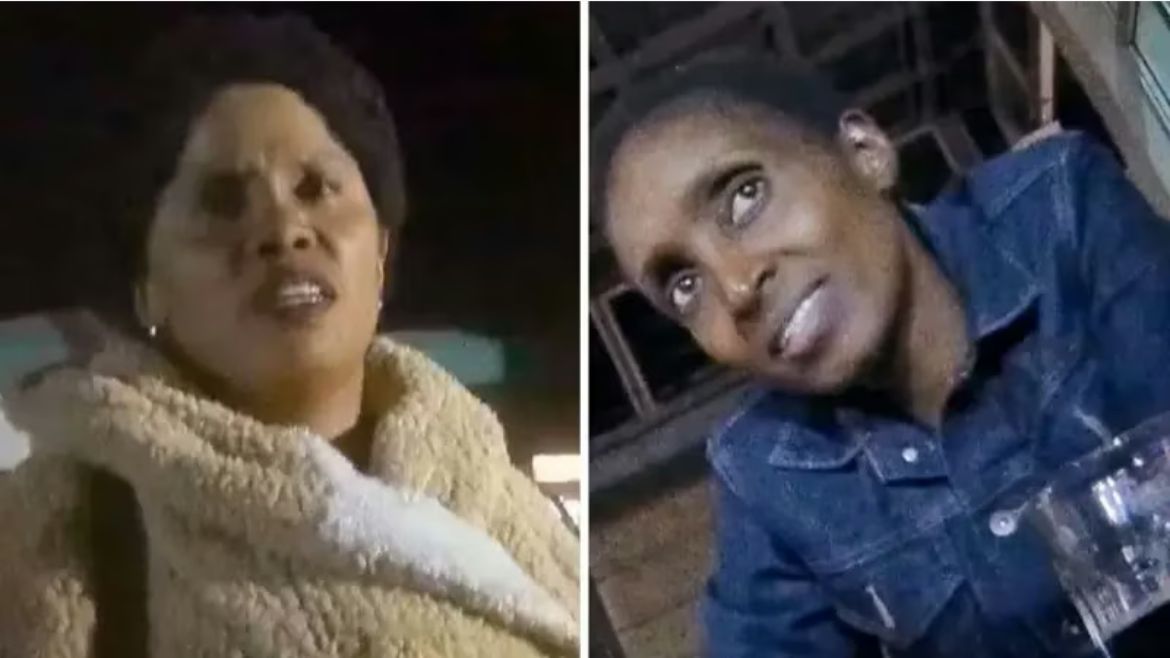
In April, the broadcaster shared video evidence exposing two women who openly admitted to facilitating the prostitution of underage girls.
The investigation, published on 4 August and viewed over one million times on YouTube, detailed how girls as young as 13 were trafficked in the trucking hub of Maai Mahiu.
One woman, calling herself Nyambura, was captured on camera saying it was easy to lure young girls with sweets and describing child prostitution as a “cash crop” driven by truck drivers.
The documentary also showed another woman, identified as Cheptoo, acknowledging her role in exploiting minors.
Despite the exposure, the two have not been arrested, with Mr Murkomen saying they could not be located.
The Office of the Director of Public Prosecutions has since directed the Directorate of Criminal Investigations to probe the matter further.
However, the BBC expressed concern that survivors who contributed to the film were questioned by investigators without legal assistance.
National Assembly Speaker Moses Wetang’ula also weighed in, claiming the documentary sought to tarnish Kenya’s image.
Meanwhile, the government has maintained that it takes child trafficking cases seriously.
The investigation has reignited debate over the prevalence of child exploitation in Kenya’s transit towns and the responsibility of both local and international actors in addressing it.
categories
recent posts

NIGERIA: FG Moves To Unlock 1,600MW Stranded Power With New Grid Company Plan
NIGERIA: Frank Mba, Seven DIGs Retire as PSC Promotes Replacements